
The integration of AI and intelligent automation into business operations has undoubtedly reshaped traditional workflows and strategies. From streamlining processes to enabling data-driven insights, the impact of these technologies is profound aspert. However, as organizations navigate this transformative journey, one crucial question arises: How can businesses effectively navigate the ethical implications that come hand in hand with these powerful tools? This ethical dimension is increasingly vital as AI systems make autonomous decisions with far-reaching consequences. As we delve deeper into this discussion, exploring the balance between innovation and ethical responsibility becomes imperative for sustainable progress and societal well-being.
The Rise of AI in Business
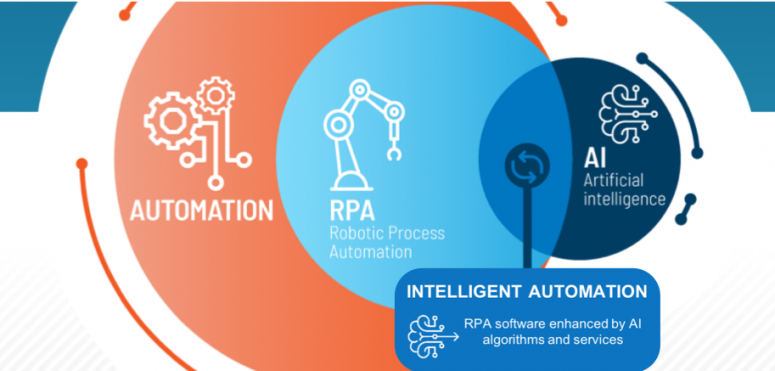
The proliferation of AI technologies across industries has catalyzed a paradigm shift in the way businesses operate, ushering in a new era of efficiency and innovation. From automating routine tasks to enabling predictive analytics, artificial intelligence is revolutionizing business processes. AI-powered tools can analyze vast amounts of data in real-time sap malaysia e-invoice, providing valuable insights that drive strategic decision-making. This shift towards AI integration is not just a trend but a necessity for companies seeking to remain competitive in today’s fast-paced digital landscape.
Businesses are increasingly leveraging AI to streamline operations, optimize workflows, and enhance productivity. Machine learning algorithms can identify patterns in data that humans might overlook, leading to more informed and data-driven choices. Moreover, AI technologies offer scalability, allowing businesses to adapt to changing demands quickly. By harnessing the power of AI, organizations can unlock new opportunities for growth and innovation, paving the way for a more agile and responsive business environment.
Transforming Customer Experiences
Advancements in AI and intelligent automation have revolutionized how businesses interact with customers, leading to personalized interactions that cater to individual needs. These technologies have also streamlined service processes, enhancing efficiency and reducing wait times, ultimately improving the overall customer experience.
Personalized Interactions
Leveraging advanced algorithms and data analytics, personalized interactions in AI and intelligent automation have revolutionized the way businesses engage with customers, enhancing overall experiences and fostering brand loyalty. Through AI, companies can collect and analyze vast amounts of data to tailor interactions based on individual preferences, behaviors, and past interactions.
This level of personalization allows for targeted marketing campaigns, customized product recommendations, and proactive customer service. By providing customers with relevant and timely information, businesses can create a more seamless and enjoyable experience, ultimately leading to increased customer satisfaction and loyalty.
Personalized interactions not only streamline customer engagement but also demonstrate a deeper understanding of the customer’s needs and preferences, building stronger relationships between businesses and consumers.
Streamlined Service Processes
In the realm of AI and intelligent automation, the optimization of streamlined service processes is paramount for transforming customer experiences. By leveraging AI algorithms, businesses can enhance efficiency, accuracy, and speed in their service delivery. Automated workflows enable organizations to address customer needs promptly, leading to higher satisfaction levels.
Through intelligent automation, repetitive tasks are eliminated, allowing customer service representatives to focus on more complex issues that require human intervention. Streamlined processes not only improve operational effectiveness but also contribute to a seamless and personalized customer journey. Real-time data analytics further refine service processes, ensuring timely responses and customized solutions.
Embracing AI-driven streamlined service processes is pivotal in meeting the evolving demands of today’s customers and delivering exceptional experiences.
Enhancing Operational Efficiency
To enhance operational efficiency through AI and intelligent automation, organizations must focus on implementing process optimization strategies to eliminate bottlenecks and redundancies.
Streamlining workflow processes by integrating AI technologies can reduce manual intervention, minimize errors, and accelerate task completion.
Process Optimization Strategies
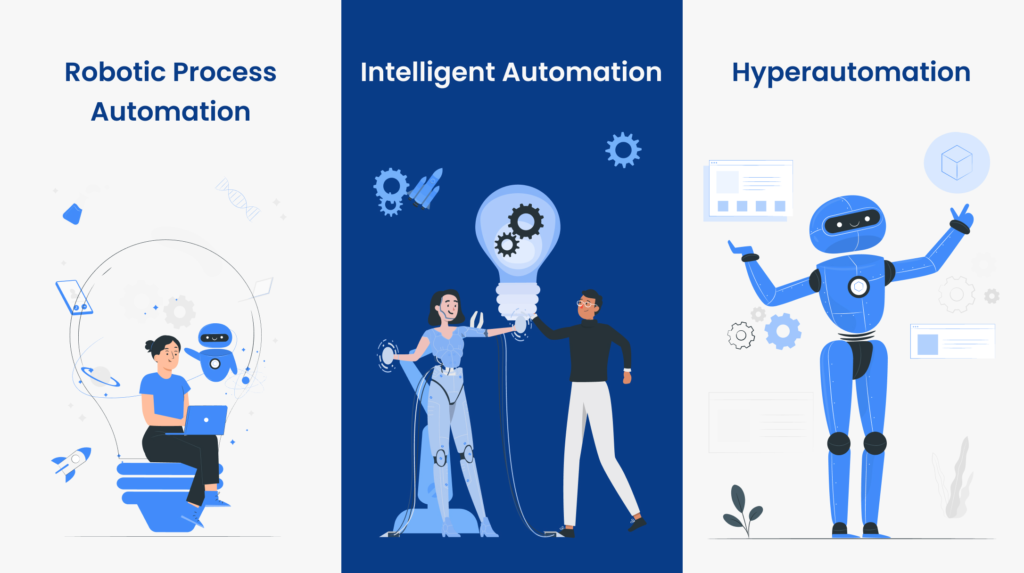
Efficient process optimization strategies play a pivotal role in fostering operational excellence within organizations by streamlining workflows and maximizing productivity. By implementing advanced technologies like AI and intelligent automation, businesses can identify bottlenecks, eliminate redundancies, and enhance overall efficiency.
Leveraging data analytics, machine learning algorithms, and robotic process automation enables companies to make data-driven decisions, automate repetitive tasks, and allocate resources more effectively. Continuous monitoring and optimization of processes lead to cost reductions, improved quality control, and quicker response times to market demands.
Moreover, integrating feedback loops and agile methodologies into optimization strategies empowers teams to adapt swiftly to changing business environments. Ultimately, embracing innovative process optimization approaches is essential for staying competitive in today’s dynamic marketplace.
Streamlining Workflow Processes
Optimizing workflow processes is paramount for organizations seeking to enhance operational efficiency and drive sustainable growth. By streamlining workflow processes, businesses can eliminate bottlenecks, reduce redundancies, and improve overall productivity.
Leveraging AI and intelligent automation tools can significantly aid in this endeavor by automating repetitive tasks, identifying optimization opportunities, and providing real-time insights for informed decision-making. Implementing technologies such as robotic process automation (RPA) and machine learning algorithms can streamline workflows, enhance collaboration among teams, and ensure seamless integration between different systems.
This not only increases efficiency but also allows employees to focus on higher-value tasks, leading to a more agile and competitive organization. In essence, streamlining workflow processes through intelligent automation is a strategic imperative for modern businesses aiming to thrive in a fast-paced digital landscape.
Improving Task Productivity
In the pursuit of operational excellence, organizations must continually seek innovative approaches to enhance task productivity and drive efficiency across their workflows. Improving task productivity involves leveraging AI and intelligent automation tools to streamline repetitive tasks, minimize errors, and optimize resource allocation.
By implementing advanced algorithms and machine learning capabilities, businesses can automate routine activities, freeing up employees to focus on higher-value tasks that require human intervention. This not only increases overall productivity but also enhances job satisfaction and employee engagement.
Furthermore, intelligent automation can analyze data patterns to identify bottlenecks in processes, enabling organizations to make informed decisions for continuous improvement. Embracing these technologies empowers companies to adapt quickly to changing market dynamics and stay ahead of the competition.
Impact on Job Roles and Skills
The integration of AI and intelligent automation is reshaping job roles and necessitating a shift in required skills across various industries. As these technologies become more prevalent, the landscape of work is evolving, leading to a transformation in the traditional job market. Jobs that involve routine, repetitive tasks are increasingly being automated, freeing up human workers to focus on more strategic and creative endeavors. This shift is driving the demand for skills such as data analysis, programming, artificial intelligence expertise, and critical thinking.
Furthermore, roles that involve human interaction, emotional intelligence, and complex problem-solving are becoming more valuable as they are less susceptible to automation. Adaptability, continuous learning, and the ability to collaborate with AI systems are becoming essential skills for the workforce of the future. Employers are seeking individuals who can work alongside AI tools, leveraging their capabilities to enhance productivity and innovation. Overall, the impact of AI and intelligent automation on job roles underscores the importance of upskilling and reskilling to meet the changing demands of the modern workplace.
Overcoming Implementation Challenges
Addressing the obstacles inherent in the implementation of AI and intelligent automation requires a strategic approach that prioritizes adaptability and proactive problem-solving. One of the primary challenges faced is the integration of AI technologies with existing systems. This often involves overcoming compatibility issues, data migration complexities, and ensuring seamless communication between different platforms. Organizations must invest in robust infrastructure and allocate resources for thorough testing to mitigate risks during the integration process.
Another significant hurdle is the resistance to change among employees. Implementing AI and automation technologies can evoke fear of job displacement or changes in job roles. To overcome this challenge, companies must focus on transparent communication, upskilling programs, and involving employees in the transition process. By fostering a culture of continuous learning and innovation, organizations can empower their workforce to embrace technological advancements and leverage AI tools to enhance their productivity and decision-making capabilities.
Future Trends in Intelligent Automation
Amid the rapidly evolving landscape of technology, the trajectory of intelligent automation is poised to revolutionize industries across the globe. As we look towards the future of intelligent automation, several key trends are shaping its development. One such trend is the increased integration of artificial intelligence (AI) and machine learning algorithms into automation processes. This integration enables automation systems to continuously learn and adapt, enhancing their efficiency and effectiveness over time.
Furthermore, the expansion of automation beyond routine tasks to encompass more complex decision-making processes is another significant trend on the horizon. This shift towards cognitive automation allows businesses to automate not just repetitive tasks but also cognitive tasks that traditionally required human intervention.
Moreover, the rise of hyper-automation, which leverages a combination of technologies like AI, robotic process automation (RPA), and advanced analytics, is set to drive further advancements in intelligent automation. This comprehensive approach enables end-to-end automation of processes, leading to increased productivity and agility within organizations. In essence, the future of intelligent automation is marked by innovation, integration, and the relentless pursuit of efficiency and effectiveness.
Conclusion
In conclusion, the integration of AI and intelligent automation in businesses is reshaping operational processes. It enhances customer experiences and transforms job roles. This technological advancement requires companies to adapt to new skills and collaborate with AI to remain competitive in the evolving business landscape.
Overcoming implementation challenges and staying informed about future trends in intelligent automation will be crucial for organizations seeking to leverage the benefits of AI in their operations.